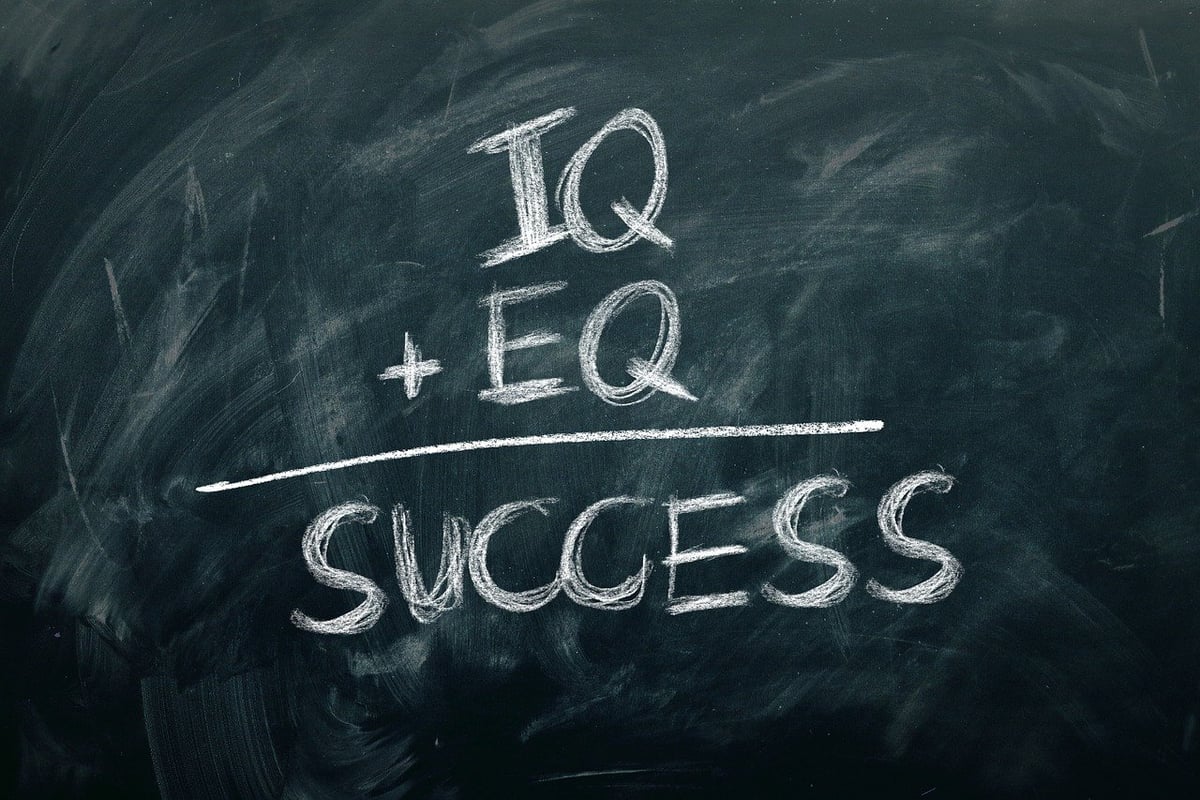
The evolving dynamics of modern business management reveal that technical competence alone no longer guarantees organizational success. Instead, leaders and managers must harness the power of Emotional Intelligence—the ability to understand and manage emotions effectively—to thrive in today’s complex workplace environment. This aptitude influences a broad spectrum of managerial functions, from communication and leadership to decision making and conflict resolution, ultimately shaping both team collaboration and customer relationships. As companies confront unprecedented challenges, the role of emotional intelligence in business management becomes indispensable for fostering resilience, innovation, and sustainable growth.
By discerning emotional cues and responding with empathy and self-awareness, business leaders can build more cohesive teams, enhance interpersonal trust, and navigate the inherent pressures of corporate life with composure. Emotional intelligence also equips managers to address organizational tensions calmly, facilitating more constructive resolutions and productive dialogues. Prominent organizations and leaders — such as Microsoft under Satya Nadella or PepsiCo with Indra Nooyi — exemplify how integrating emotional intelligence into leadership practices transforms corporate culture and accelerates organizational achievements.
As industries continue to evolve rapidly into 2026, understanding how emotional intelligence intersects with business management offers invaluable insights into frontline leadership strategies and workforce engagement. This article explores the multifaceted ways emotional intelligence invigorates management effectiveness and builds stronger, more resilient organizations.
Understanding Emotional Intelligence: Key Components Shaping Effective Business Management
Emotional Intelligence, commonly known as EI or EQ, encompasses the ability to perceive, interpret, and manage emotions in oneself and others. Daniel Goleman’s landmark model identifies five essential components that serve as pillars of emotionally intelligent leadership and management:
- Self-Awareness: The aptitude for recognizing one’s own emotional states and understanding their influence on thoughts and behaviors, essential for authentic leadership and rigorous self-reflection.
- Self-Regulation: The capacity to control impulsive reactions and maintain emotional equilibrium under stress—a critical skill during crisis management and organizational change.
- Motivation: Driven intrinsically, this relates to the internal desire for achievement, perseverance, and continuous improvement, fueling proactive leadership.
- Empathy: The ability to deeply understand and appreciate the emotions of others, fostering inclusive environments and strengthening interpersonal bonds.
- Social Skills: Proficiency in communication, conflict resolution, and relationship management, essential for nurturing team cohesion and productive networks.
These components form the backbone of the managerial toolkit that navigates complex organizational landscapes. Self-awareness enables leaders to recognize biases and emotional triggers, facilitating better control over responses. For example, a manager aware of their stress signals can deliberately practice emotional regulation, preventing unproductive outbursts during high-pressure situations. Empathy enhances leadership by cultivating trust and openness, encouraging employees to share ideas and concerns candidly.
The interdependency of these facets illustrates why emotional intelligence transcends basic communication or leadership skills, embedding itself into every interaction a manager undertakes. For businesses aiming to build psychologically safe and agile workplaces, investing in the development of these emotional competencies is a strategic imperative.

The Influence of Emotional Intelligence on Leadership and Team Dynamics
Leadership effectiveness today goes beyond command and control; it requires a deep connection with both the team and organizational culture. Emotional intelligence enhances leadership by improving how managers engage with their teams and respond to challenges.
Building Trust Through Empathy and Transparency
Trust building is an emotional process. Leaders who demonstrate empathy by acknowledging employee feelings and perspectives validate their workforce’s emotional experiences. When employees sense authentic care and self-awareness from leaders, they feel more secure and willing to collaborate. A CEO or manager skilled in emotional intelligence communicates with transparency and listens actively, which boosts credibility and nurtures loyalty within the team.
Empowering Effective Communication and Conflict Resolution
Emotional intelligence strengthens communication skills, allowing leaders to convey messages clearly while reading and responding to the emotional undercurrents in conversations. Such nuanced communication is invaluable in resolving conflicts productively. Instead of allowing disputes to fester, emotionally intelligent managers recognize early signs of tension and approach dialogues with calm, constructive strategies that prioritize understanding.
Fostering Team Collaboration and Engagement
Teams led by emotionally intelligent managers enjoy higher levels of engagement, motivation, and performance. These leaders promote an environment where views are respectfully exchanged and diverse thinking is encouraged. Through empathy and social skills, emotional intelligence removes hidden barriers that impair collaboration, allowing teams to innovate with confidence and flexibility.
The connection between emotional intelligence and leadership is further supported by research demonstrating that 90% of top performers exhibit high EQ. In such environments, teams achieve stronger alignment with organizational goals and display resilience amidst change, a valuable asset for businesses competing in today’s volatile markets.
Decision Making and Emotional Intelligence: Navigating Complexity and Uncertainty
Effective managers leverage emotional intelligence to improve decision making, particularly under ambiguity and stress. Emotional regulation and self-awareness help leaders separate emotions from facts, preventing biases from clouding their judgments.
Managing Emotional Influences in Decisions
A common pitfall in business decision-making is allowing anxiety or frustration to drive hasty choices. Managers with high EI monitor their emotional states to maintain clarity and composure. This deliberate self-regulation fosters decisions based on logic and empathy, balancing business goals with stakeholder needs.
Understanding Emotional Context of Stakeholders
Recognizing the feelings and perspectives of employees, customers, and partners improves decision outcomes. Emotionally intelligent managers anticipate how initiatives may affect morale or customer trust and adapt accordingly. This sensitivity cultivates long-term success and reduces resistance.
Promoting Creativity and Innovation Through Psychological Safety
By cultivating an emotionally safe atmosphere, leaders stimulate teams to share unconventional ideas without fear of criticism, driving innovation. Emotional intelligence thus becomes a catalyst for problem-solving and adaptability, particularly critical as businesses face rapid market shifts.
Developing Emotional Intelligence in Organizations: Proven Strategies for Business Management Success
Understanding the importance of emotional intelligence prompts organizations to strategically nurture this skill among their leaders and workforce. The following approaches demonstrate how companies can embed emotional intelligence into their culture and practices:
- Implement Training Programs: Structured workshops and coaching sessions focusing on self-awareness, empathy, and communication develop core emotional competencies. Companies like IBM have embraced such initiatives, resulting in improved team performance.
- Create a Culture of Emotional Awareness: Integrate EI principles into company values and encourage open expression of feelings. Organizations like Patagonia exemplify this approach by reinforcing collaboration and mutual support.
- Incorporate EI into Performance Management: Embed emotional intelligence in appraisal frameworks. Organizations such as Salesforce reward empathetic leadership and effective conflict resolution, reinforcing its importance.
- Lead By Example: Executives and managers modeling emotional intelligence behaviors inspire the workforce to adopt similar practices. Mary Barra of General Motors embodies this through her transparent leadership style.
These strategies not only advance leadership effectiveness but also foster a workplace where innovative thinking, engagement, and resilience flourish. As market landscapes evolve, prioritizing emotional intelligence equips businesses to meet emerging challenges with agility and compassion.
Use tab and arrows to explore the core skills
Emotional Intelligence Enhancing Customer Relations and Business Outcomes
In addition to internal management benefits, emotional intelligence extends to transforming external interactions, especially in how businesses engage with customers. Empathy and emotional awareness create more personalized and meaningful experiences, leading to improved satisfaction and loyalty.
Decoding Customer Emotions for Superior Service
Customer service professionals with high emotional intelligence sense unspoken needs and concerns, responding with genuine empathy. This approach diffuses dissatisfaction and builds trust, elevating the overall customer journey.
Building Brand Loyalty Through Emotional Connection
Businesses that embed emotional intelligence into marketing and customer interaction strategies frequently develop stronger emotional bonds with their clientele. This emotional branding significantly improves repeat business and advocacy, crucial for sustaining growth in competitive markets.
Sales and Marketing Advantages of High EQ
Sales teams utilizing emotional intelligence outperform their peers by tuning into customers’ emotions and tailoring communications accordingly. This capability drives conversion rates and transforms sporadic buyers into loyal patrons.
| Emotional Intelligence Impact Area | Business Benefit | Example |
|---|---|---|
| Leadership | Improved trust and motivation | Satya Nadella’s empathetic style at Microsoft |
| Team Collaboration | Higher engagement and productivity | Google’s Project Aristotle findings |
| Decision Making | Balanced and thoughtful solutions | Indra Nooyi’s stakeholder-focused strategy at PepsiCo |
| Customer Relations | Enhanced loyalty and satisfaction | Zappos’ customer service excellence |
Recognizing the pervasive role of emotional intelligence within business ecosystems encourages management teams to embed EQ-enhancing practices continually. This integration not only advances organizational goals but also cultivates a workplace culture that values empathy, resilience, and adaptability.
For insights on navigating organizational challenges with emotional intelligence, leaders may find value in exploring approaches on how leaders communicate during crises and methods to enhance leadership capacities described in the role of emotional intelligence in leadership.
How can leaders improve their self-awareness?
Leaders can enhance self-awareness by practicing mindfulness, soliciting feedback, and reflecting on their emotional responses and decision-making processes regularly.
Why is empathy crucial for effective business management?
Empathy enables leaders to understand their team members’ perspectives, build trust, and foster a collaborative environment that drives team cohesion and productivity.
What role does emotional intelligence play in conflict resolution?
Emotional intelligence equips managers to recognize emotional triggers, de-escalate tensions, and guide discussions toward mutually beneficial solutions, preventing destructive conflicts.
Can emotional intelligence be developed within an organization?
Yes, through targeted training programs, leadership development initiatives, and fostering a culture that values emotional awareness and open communication, organizations can cultivate higher EQ among employees.
How does emotional intelligence impact customer satisfaction?
High EI in customer-facing roles helps employees empathize with clients, resolve issues empathetically, and create positive experiences that enhance loyalty and brand reputation.